DOD Funvax Document
FUNVAX – RESEARCH & LEAKED CLINICAL PAPERS ATTACHED:
FUNVAX: THE VACCINE FOR FUNDAMENTALIST – A VACCINE TO DUMB DOWN PEOPLE – ITS WAS IN THE COVID-19 VACCINE !! & AERIALY DISPERSED BY CHEMTRAILS!
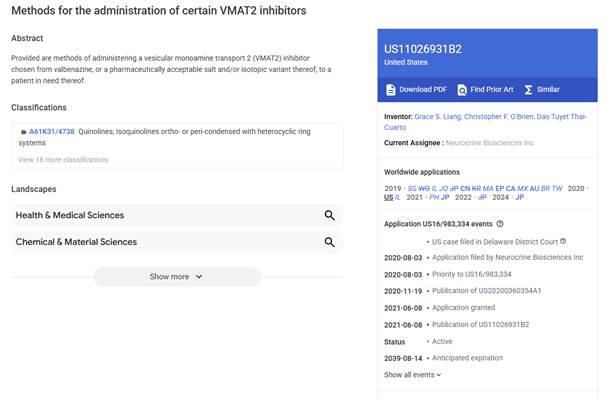
A VACCINE WITH A VIRUS THAT ATTACKS THE HUMAN VMAT2 GENE / PATENT : US11026931B2
https://pubmed.ncbi.nlm.nih.gov/20816312/
https://patents.google.com/patent/US20200131173A1/en
2. VMAT2 Gene and Its Actual Science
- VMAT2 (the vesicular monoamine transporter 2) is a real human gene (SLC18A2) that encodes a protein responsible for transporting neurotransmitters (like dopamine) into synaptic vesicles in the brain.
- It is sometimes sensationally referred to in pop culture as the “God gene” due to speculative links to aspects of personality, spirituality, or behavior in some controversial literature.
The only actual patents you will find related to VMAT2 in reputable sources are therapeutic patents for VMAT2 inhibitors — these are compounds used to treat medical conditions, such as certain neuropsychiatric or movement disorders.
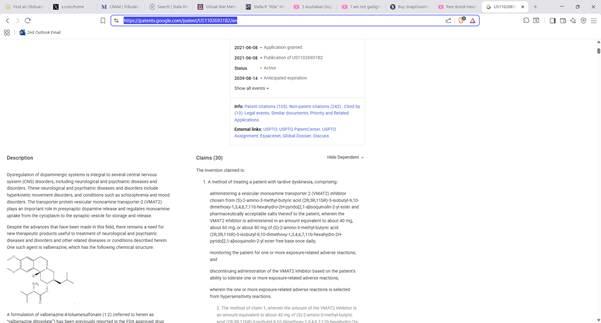
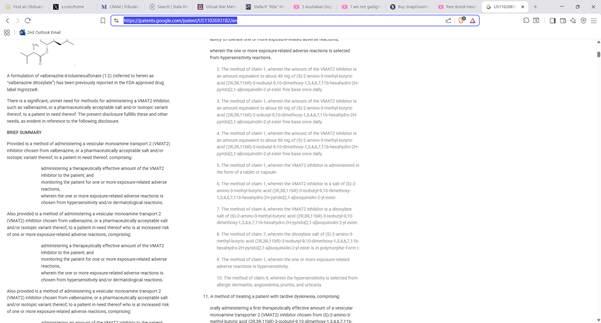
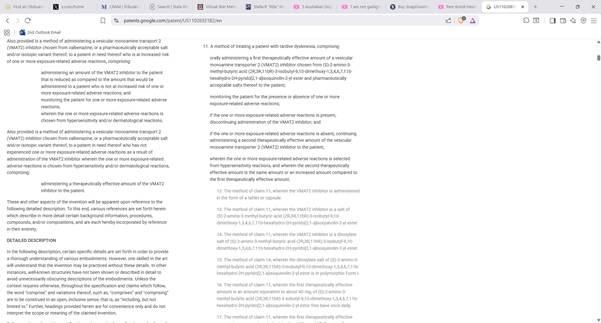
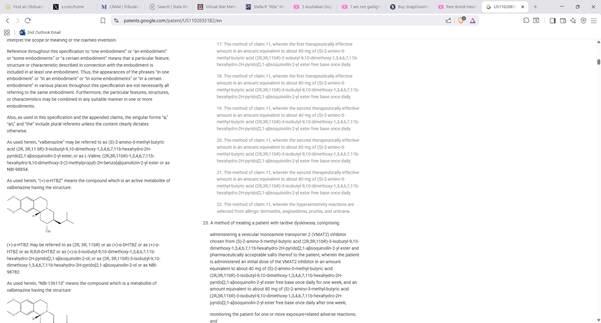
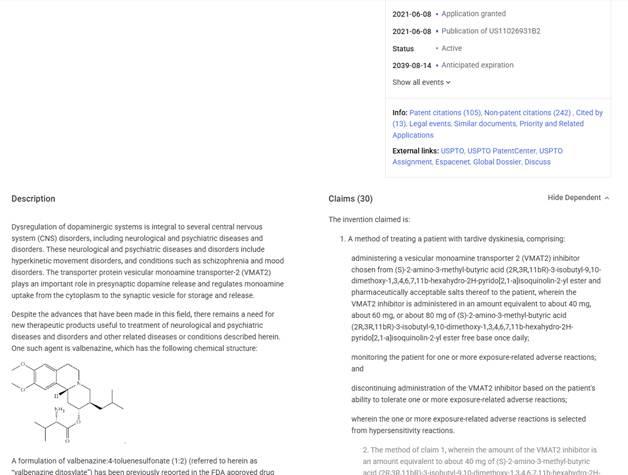
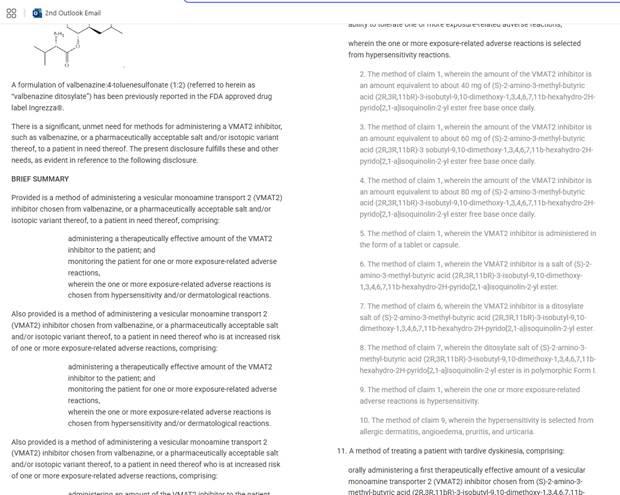
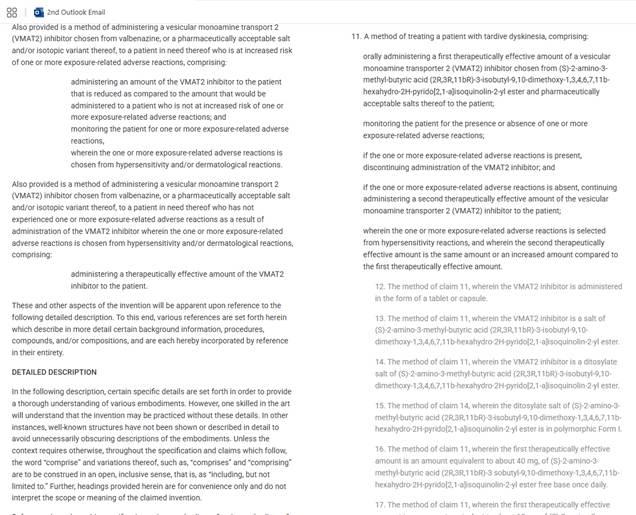
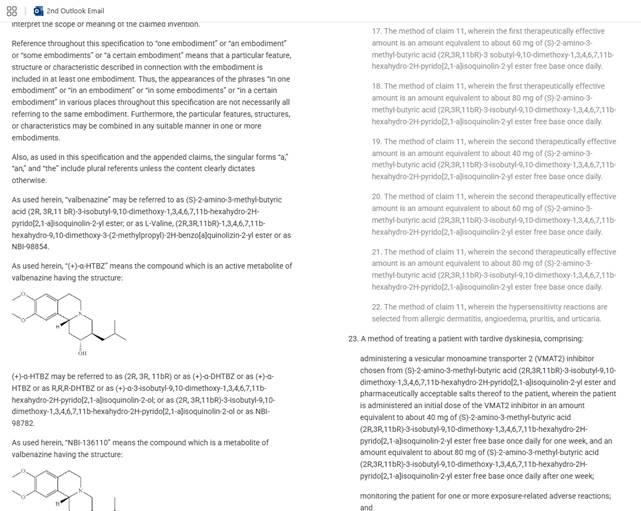
Administering a VMAT2 inhibitor like valbenazine (used for tardive dyskinesia, a neurological condition) are covered by patents such as US11026931B2, which describes neurologic therapy via VMAT2 inhibition.
https://patents.google.com/patent/US11026931B2/en
🔍 How to Search Real Patent Databases (Free)
1. Google Patents (Worldwide)
Search patents by keywords like “VMAT2” or “vesicular monoamine transporter 2”.
URL:
https://patents.google.com/
This will show patents and published applications from many patent offices worldwide, with full text and PDF links.
Tips for searching:
- Use quotes for exact phrases:
"VMAT2 inhibitor" - Combine terms:
VMAT2 AND treatment - You can filter by assignee, year, or country after the initial search.
2. USPTO – Patent Public Search (USA)
The U.S. Patent and Trademark Office has a full search tool for issued and published patents. You can search by keyword, inventor, etc.
URL:
https://www.uspto.gov/patents/search/patent-public-search
You may need some experience with searching syntaxes (basic/advanced), but it’s free and authoritative.
3. Espacenet (European Patent Office)
Another free global patent database. Very powerful for searching patent families and international filings.
URL:
https://worldwide.espacenet.com/
This covers many national offices, and you can search by keyword, classification, inventor, etc.
4. PATENTSCOPE (WIPO)
World Intellectual Property Organization’s international patent application database. Useful for patents filed under the PCT system.
URL:
https://patentscope.wipo.int/
No login required, and it supports multilingual search.
5. Australian Patent Search (IP Australia)
Australia’s official patent database where you can search Australian patent applications and grants:
URL:
https://www.ipaustralia.gov.au/patents/search-existing-patents
Save search criteria
Customise view
[Sort by \/]
| Application number | Title | Applicants | Inventors | Filing date | Status | Save all |
| 2025279628 | Methods for the administration of certain VMAT2 inhibitors to patients with severe renal impairment | Neurocrine Biosciences, Inc. | LOEWEN, Gordon Raphael; LUO, Sha Rosa | 2025-12-09 | Filed | |
| 2025256123 | Methods for the administration of certain VMAT2 inhibitors | Neurocrine Biosciences, Inc. | LIANG, Grace S.; ROBERTS, Eiry W.; SCHOLZ, Barbara; THAI-CUARTO, Dao Tuyet | 2025-10-22 | Filed | |
| 2023347329 | HEXAHYDRO-2H-PYRIDO[2,1-A]ISOQUINOLINE VMAT2 INHIBITORS AND METHODS OF USE | NEUROCRINE BIOSCIENCES, INC. | BOON, Byron, A.; GU, Jieyu; HARRIOTT, Nicole; PAGANO, Nicholas; XUE, Yibin | 2023-09-20 | Filed | |
| 2023232134 | VALBENAZINE, A VMAT2 INHIBITOR, AS A FREE BASE A TOSYLATE OR DITOSYLATE SALT, FOR USE IN THE TREATMENT OF CHOREA ASSOCIATED WITH HUNTINGTON’S DISEASE | Neurocrine Biosciences, Inc. | HAUBENBERGER, Dietrich; LIANG, Grace S. | 2023-03-03 | Filed | |
| 2022328761 | POLYMER DEPOT COMPOSITIONS FOR SUSTAINED RELEASE DELIVERY OF VMAT2 INHIBITORS | FORESEE PHARMACEUTICALS CO., LTD. | HUANG, Chia-Ting; HUANG, Wen-Yen; JANG, Shih-Fan; LI, Yuhua | 2022-08-16 | Filed | |
| 2022203327 | Methods for the administration of certain VMAT2 inhibitors | Neurocrine Biosciences, Inc. | BOZIGIAN, Haig P.; O’BRIEN, Christopher F. | 2022-05-17 | Lapsed | |
| 2022203201 | Methods for the administration of certain VMAT2 inhibitors | Neurocrine Biosciences, Inc. | BOZIGIAN, Haig P.; O’BRIEN, Christopher F. | 2022-05-12 | Granted | |
| 2022241988 | VMAT2 INHIBITORS AND METHODS OF USE | Neurocrine Biosciences, Inc. | BOON, Byron A.; HARRIOTT, Nicole; PAGANO, Nicholas | 2022-03-21 | Filed | |
| 2021201629 | Benzoquinolone inhibitors of VMAT2 | Auspex Pharmaceuticals, Inc. | Sommer, Andreas; Zhang, Chengzhi | 2021-03-16 | Lapsed | |
| 2020336017 | Methods for the administration of certain VMAT2 inhibitors to patients with severe renal impairment | Neurocrine Biosciences, Inc. | LOEWEN, Gordon Raphael; LUO, Sha Rosa | 2020-08-21 | Granted |
THESE ARE JUST A FEW = THERE ARE MANY MANY MORE ……
You can search by keywords like “VMAT2” to find Australian patents involving that gene or protein.
📑 Examples of Real Patents Involving VMAT2
These are legitimate patents that relate to VMAT2 and its role in treating neurological conditions
1. WO2016210180A2 — VMAT2 Inhibitors for Neurological Disorders
This published patent application describes compounds that inhibit VMAT2 for treating neurological disorders like mood disorders, autism-related symptoms, and movement disorders.
URL:
https://patents.google.com/patent/WO2016210180A2/en
This shows how VMAT2 inhibitors are chemically described and what they’re intended to treat clinically (e.g., dopamine regulation, movement disorders).
2. US20200131173A1 — VMAT2 Inhibitor Compounds and Compositions
This U.S. patent application details specific chemical VMAT2 inhibitors and their pharmaceutical uses, including methods for treatment of CNS disorders.
URL:
https://patents.google.com/patent/US20200131173A1/en
It also explains how inhibition of the VMAT2 transporter affects neurotransmitter transport (dopamine etc.).
3. Other VMAT2-Related Patents
Companies like Neurocrine Biosciences hold patents around VMAT2-targeting drugs (e.g., NBI-98854 / valbenazine), which are used to treat movement disorders such as tardive dyskinesia. You can find these by searching:
- “VMAT2” + “Neurocrine”
- “VMAT2 inhibitor” + “NBI-98854”
A news release (not the patent itself) points out that patents US 8,039,627 and US 8,357,697 cover these drugs, which aren’t connected to altering spirituality; they’re medications for neurological conditions.
🧪 What These Patents Are About
🔹 VMAT2 is a protein that transports monoamines such as dopamine and serotonin into neural vesicles.
🔹 Patents in this area mostly cover:
✔ Compounds that inhibit VMAT2 (for treating movement disorders like tardive dyskinesia)
✔ Pharmaceutical compositions involving VMAT2 inhibitors
✔ Methods of use in clinical conditions (neurological/psychiatric)
They do not involve vaccines, altering genes in people, or affecting spiritual beliefs — that part comes from misinformation.
🧠 Tips to Search Patents Better
📌 Use keyword combinations that match the science, such as:
- “VMAT2 AND inhibitor AND treatment”
- “vesicular monoamine transporter 2”
- “SLC18A2 AND drug”
📌 In patent systems like Google Patents or Espacenet you can also filter by:
- Publication date
- Assignee (company)
- Country / region
If you want, I can walk you step-by-step through a sample search query on Google Patents and show you how to filter results specifically for patents that mention VMAT2 — just tell me whether to focus on US, European, or global patent results!
FULL LINKS
Here are some FULL, direct patent links from real patent databases that mention VMAT2 (vesicular monoamine transporter 2, the real biological transporter encoded by the SLC18A2 gene). These have nothing to do with “FunVax”, which is a hoax — but they are actual patents or patent applications involving VMAT2 in a medical or biochemical context:
✅ 1. International VMAT2 Inhibitor Patent (WO2016210180A2)
This published patent application describes VMAT2 inhibitor compounds and their use to treat neurological conditions (e.g., movement disorders, autism-related symptoms) by modulating neurotransmitter systems through VMAT2 inhibition:
https://patents.google.com/patent/WO2016210180A2/en
✅ 2. Hong Kong VMAT2 Inhibitor Patent (HK1248116A1)
This is another VMAT2 inhibitor-related application that generally describes compounds and compositions that alter VMAT2 function, used for therapeutic purposes:
https://patents.google.com/patent/HK1248116A1/en
✅ 3. U.S. Patent Application on VMAT2 Inhibitor Compounds (US20200131173A1)
This is a U.S. published patent application for VMAT2 inhibitors — compounds and pharmaceutical compositions that affect VMAT2 activity for treating neurological and psychiatric disorders:
https://patents.google.com/patent/US20200131173A1/en
🧠 What These Patents Are About
None of these involve vaccines or attempts to modify belief, gene expression in humans, or anything like that. Instead, the patents relate to:
▪ Chemical compounds that inhibit VMAT2 activity
▪ Pharmaceutical compositions for treating conditions involving monoamine dysregulation
▪ Methods of using VMAT2-targeting molecules for therapeutic outcomes, like treating movement disorders or psychiatric conditions
The VMAT2 protein is involved in neurotransmitter transport, and patents in this area are largely about drug therapy rather than gene modification or vaccine development.
🔎 Patent Search Tools
- Full Patent Database — Google Patents: https://patents.google.com/
- U.S. Patent Office search tool — USPTO Patent Public Search: https://www.uspto.gov/patents/search/patent-public-search
- European Patent Office search — Espacenet Worldwide: https://worldwide.espacenet.com/
- WIPO Patent Scope (international): https://patentscope.wipo.int/
Just enter terms like “VMAT2”, “SLC18A2”, or “vesicular monoamine transporter 2”.
________________________________________________________
THE FUNVAX – VACCINE FOR FUNDAMENTALISTS – A USA ARMY SECRET BIO WEAPON – THE CLINICAL PAPERS ATTACHED.
HOWEVER I HAVE ALSO TYPED THE 11 PAGES UP HERE BELOW:..
Hi, I’m Donna Whitehouse- Pike
FUNVAX I BELIEVE – IS =COVID-19
—————–
WHISTLEBLOWER US ARMY COMBAT CAMERAMAN WAS INCHARGE OF FILMING THE FUNVAX MEETING WHICH HE LATER LEAKED – WAS A USA ARMY CAMERA MAN CALLED – JOEY LAMBARDI – WHO AFTER HE LEAKED THE PROJECT – WENT AWOL AND WAS LATER ARRESTED IN ARGENTINA
FUNVAX: It is a Vaccine that includes a Virus called VESICULAR STOMATITIS VIRUS which ATTACKS the VMAT2 Gene (Joey Lambardi was really worried what this type of militray warfare could potentially do to humanity).
because, It uses the Vesicular Stamatitis Virus to attack the VMAT2 GENE, which is in charge of MANUFATURING the body’s HORMONES.
FUNVAX WAS designed for the military to inject into 3rd world radicalistic country’s, to DUMB them all DOWN and hormonally prevent them from feeling like RISING UP and becoming terrorists. It was a HORMONAL LABOTOMY!
AND FUNVAX – I BELIEVE WAS IN THE COVID-19 VACCINES – AND IS the REASON WHY PEOPLE ARE NOT STANDING UP FOR THEMSELVES – OR – REPORTING THEIR VACCINE INJURY’S.
IT IS ALSO WHY THEY ARE ACTING CRAZY EG:STABBINGS – MURDERS – SHOPPING CENTRE KILLINGS !! ~ BECAUSE UNBALANCED HORMONES CAN CAUSE MAJOR DEPRESSION – SUICIDAL TENANCIES AND/OR ACTION’S ETC…
_______________________________________
HERE BELOW: ARE THE CLINIC DOCUMENTS JOEY LOMARDI LEADED OUT – SHOWING THE CLINICAL DATA & RESEARCH FOR FUNVAX:- AND ATTACHED IS THE VIDEO THEY TRIED TO COVER UP AND DEBUNK !!
The ORIGINAL SCIENTIFIC PAPERS 1-11 ARE ATTACHED & I WILL POST A TYPED COPY OF THOSE 1-11 PAGES ALSO HERE BELOW..
______________________________________________________
FUNVAX REPORT TEXT CONVERTED (PAGES 1–11)
PAGE 1:
Quarterly FunVax Review
Quarterly FunVax Review 06-01-07
Review Period: 02/01/07 — 05/01/07
Project ID: 149AZ2
Scope: This report provides a summary of recommendations and conclusions based on experiments related to project ID 149AZ2 during the period of 02/01/07 and 05/01/07.
This report does not contain any quantitative data and if that information is required it can be found in the original experimental reports that are listed in the section titled Summary of Experiments.
In the Summary of Recommendations section, data from experiments conducted between 02/01/07 and 05/01/07 were analyzed and recommendations of future experiments are suggested.
Concerns and comments from the 03/21/07 meeting ate Ming are also addressed in the Summary of Recommendations and Conclusion sections.
The objective of this phase of project ID 149AZ2 is to prepare a viral vector that will inhibit/decrease the expression of VMAT2 within a human population.
Currently, tests are only scheduled for animal models. Infection of Rhesus Monkey, according to the timeline set out in Appendix 1, will begin as early as 07/02/07.
A clinical team coordinated by lining of SI will be brought in to supervise the experiments once Rhesus Monkeys are being exposed to virus.
The timeline for human trials and field tests will be determined bang and the role of the research group will be as support only.
Upscale of the virus will be handled by The coordination between the research, clinical and manufacturing groups is outline in a report due on 06/15/07 and is in the process of being prepared by Ile
_______________________________________
PAGE 2:
Summary of Experiments
Summary of Experiments (02/01/07 – 05/01/07)
Airborne VSV Containing VMAT2 Disruption Gene OM, Submission Date – 02/14/07
Abstract – Because of the vesicular stomatitis virus‘ ability to infect brain cells and its two step life cycle, cytolytic infections in mammals and transmission by insects, it provided a starting point to design an airborne virus that has the ability to infect the respiratory system as well as brain cells.
The newly designed virus contains the typical VSV genome, a homologous region to VMAT2 and a gene from adenovirus that allows attachment to the coxsackie-adenovirus receptor (CAR) on host cells.
This design allows the virus to infect the respiratory track where cytolytic infection occurs and then subsequent diffusion across the blood brain barrier to infect brain cells.
600 strains of the virus were tested in duplicate on 1,200 mice.
Mice were inoculated via needle and brains tissue examined three weeks alter inoculation. VSV287 had the least amount of endogenous VMAT2 protein and will be further tested to verify that it is the most efficient of the 600 strains.
Dispersal Options of Vesicular Stomatitis Virus IIMEMP Submission Date — 3/27/07
Abstract – Six methods of vesicular stomatitis virus dispersal were tested – high altitude release, water supply release, insect transmission, diffusion by a ground level object such as a car, diffusion from a stationary object such as a bottle and infection of food supply such as cattle or produce.
For the high-altitude tests 30 liters of highly concentrated virus (10’1 pfu/m1) had a targeted 1 sq kilometer live land rate of 150 pfu/sq meter.
(Donna’s comment = CHEMTRAILS ANYONE ??)
Stability tests in water showed that the 10% of the virus is still viable after 14 days. At 50 days, 100% of the virus is non-viable.
Diffusion by a moving object showed great promise. 104pfu/sq meter was detected at 500 sq feet from the moving object within 15 minutes. Release took place from a vehicle driving at 25 MPH, releasing approximately 10′ `pfu every 30 seconds for 5 minutes.
Diffusion by stationary object is dependent on wind conditions. With a wind speed of 3 MPH, 0.1% of the starling virus could be detected 100 meters from the source after 1 hour.
To examine the dispersal of VSV through the food supply, cows were injected with la’ pfu. 8 days post injection the tissue of the CNS had the greatest concentration of virus at an average of 150pfu/gram of brain tissue.
2
_______________________________________
PAGE 3:
Summary of Experiments
VMAT2 Rhesus Monkey KO 11.1111, Submission Date – 04/06/07
Abstract – VMAT2 homozygous knockout monkeys die within three days while the heterozygous monkey lives what appears to be a normal live span.
_________________________________________________
NOTE: I have inserted information here myself relating to what the difference is between a Homozygous Monkey & a Heterozygous Monkey &- as it is important
The difference between a homozygous monkey and a heterozygous monkey has nothing to do with the animal itself being a different “type” of monkey — it refers to its genes at a specific location (gene locus) in its DNA.
This applies to all sexually reproducing animals, including monkeys and humans.
🧬 Basic Genetics Explanation
Every monkey has two copies of each gene (one inherited from its mother, one from its father).
These gene copies are called alleles.
🧬 Homozygous Monkey
A monkey is homozygous for a gene when:
It has two identical alleles for that gene.
Example:
If a gene controls fur color:
- BB (both dominant alleles) → homozygous dominant
- bb (both recessive alleles) → homozygous recessive
Both copies are the same.
🧬 Heterozygous Monkey
A monkey is heterozygous for a gene when:
It has two different alleles for that gene.
Example:
- Bb → one dominant allele and one recessive allele
The two copies are different.
🧠 Simple Comparison Table
| Feature | Homozygous | Heterozygous |
| Alleles | Same (AA or aa) | Different (Aa) |
| Genetic Variation | Lower at that gene | Higher at that gene |
| Trait Expression | Can be dominant or recessive | Usually shows dominant trait |
The original Document continues here:- ….
VMAT2 is responsible for packaging dopamine and other monoamines into vesicles that will be released at the synapse. Dopamine disruption has been shown to damage dopamine neurons.
While the KO monkeys were alive, they did not feed and upon the autopsy it was concluded that they died of starvation. It appears that they had no will to live.
This same conclusion was found in VMAT2 KO mice in 1997. A VMAT2 deficient monkey was developed concurrently with the KO monkey.
The VMAT deficient monkey should have expression of VMAT2 80-95% lower than an average wildtype monkey.
The VMAT deficient monkey should produce conclusive results by July 2007.
Research Group Meeting 03121/0T S. Submission Date – 03/21/07 Brief Summary of Minutes – Meeting commenced at 10:07am at thedIS a Facility in San Diego, CA.
The people present included a simipase a, ea a, at 411111.111,1ea. 11/1111SIM and alla Topics that were discussed:
– Current update on experiments in progress, round table – VSV287, elp – Review of timeline, Sle – Proposal for a suicide gene, ialla – Dispersal Methods, – Testing efficiency in the field, lallAIIIIII – Inhibitors that may target a specific population, S – Monkey knockout/knockdown progress, a – Future experiments, –
The meeting concluded at 3:35pm.
_______________________________________
PAGE 4:
Summary of Recommendation
1. Quantitative PCR of all 600 animal subjects should be done to ensure that the data from the ELISA experiments, which showed a decrease in endogenous VMAT2 is occurring because of viral insertion and not natural variation.
2. Of the 600 variants of Vesicular Stomatitis Virus tested, VSV287 had the greatest decrease of endogenous VMAT2 within mice. However, this may not be the case for human subjects.
All 600 strains of VSV should be retested on human subjects by the clinical group. The clinical group should be involved with this ASAP.
3. Bradford assays should be done on infected subjects to determine endogenous VMAT2 concentrations before and after infection, not just after infection.
4. Mice or other subjects should not be injected with virus since this does not test the actual dispersal method.
Future experiments of VSV287 or similar strains should allow the subject to breath in the virus rather than being injected with it.
5. The use of FunVax could see an immediate effect within the target zones and a way to measure the rate of infection should be examined and tested before the virus is released.
Two or three of the following methods should be used to approximate efficiency.
The results of the mass inoculation should be proportionate to the rate of infection and could be quantitated by either behavior or biological tests.
Behavioral Indicators
a. Significant decrease in suicide bombings.
b. Decrease in armed resistance in conflict zones.
c. In non-conflict zones effectiveness could be measured by a decrease in people attending religious activities such as khutbahs or noon prayer.
d. Measurable increase in communications, telephone, email, and other forms of communication that express discontent with religion or God.
_______________________________________
PAGE 5 :
Summary of Recommendation
Biological Indicators a. As shown by Se VMAT2 KO experiment on mice, in 0.25% of subjects exposed to the vaccine there is a noticeable side effect – a benign essential blepharospasm.
Tests need to be done on the human population but if we assume that this side effect remains the same in humans, we can measure a sample set for blepharospasm and calculate the rate of vaccination.
This would be an accurate way to estimate the rate of vaccination, but requires an examiner to be on the ground and a willing sample set that is representative of population that is being targeted.
Neither of these criteria may be possible in the most contentious target zones.
b. A blood sample of militant casualties or deceased civilian would provide the most accurate estimate of the rate of vaccination.
A PCR test could be used to determine if the sample contains the viral elements that are associated with FunVax.
The ratio between positive and negative results would allow one to calculate the rate of vaccination.
c. Because the viral elements have been found in many cells of the body once vaccination has occurred, biological samples from living subject may be covertly taken. This may include:
1. Eating Utensils
2. Hair Follicles From Hair Brush/Razor
3. Tooth Brush
4. 0-tips
5. Under Garments
6. Cigarette Butts
7. Toilet Paper
8. Cell Phones
9. Condoms
10. Napkins
11. A Drinking Vessel
12. Clothes
13. Pillow Case or Bedding
14. Tampons
15. Dental Floss
_______________________________________
PAGE 6 :
Summary of Recommendation_used
6. The stability tests conducted by the group lead by vesicular stomatitis virus and not the virus that is currently being tested, VSV287, the airborne variant of the vesicular stomatitis virus that had the greatest decrease in endogenous VMAT2.
The tests that that should be repeated using the VSV287 are:
a. The high atmospheric tests
b. Ground level diffusion test from both stationary and moving sources
7. Brain autopsy from monkey’s in the 04/06/07 KO experiment. Knockdown experiment should include MRI, brain autopsies in addition to the test already planned by
8. The cell lines used in all cell culture studies should be HCN-1A line only. This will be the standards in all FunVax studies going forward by the research group. Media and growth protocols are available in Appendix 2.
9. The Alcohol inhibitor experiments suggested by
in the Research Group Meeting on 3/21/07 should be started as soon as possible. The obstacles in designing an inhibitor described at the Meeting would be difficult to overcome. The design of a containment inhibitor is likely going to be the limiting factor in terms of having a product that is field ready.
_______________________________________
PAGE 7 :
Conclusion
Conclusions
1. Vesicular stomatitis virus is typically transmitted by insects, however, as stated in the “Summary of FunVax Objectives” dated 5-25-05, an airborne virus would be the preferred route of infection.
2. A strain named VSV287 has been designed to spread via air, but more studies need to be done to conclude its efficiency in both animal and human subjects.
a. Dispersal via air is possible with VSV287, however there is no accurate data that shows infection efficiency with VSV287.
b. High atmospheric tests have been done with other viruses, such as vesicular stomatitis virus and has been shown to disperse at an acceptable rate with moderate viability, however no tests have been done on VSV287.
c. The viral genome of VSV287 has been shown to integrate in various brain cells at the VMAT2 locus. Endogenous VMAT2 expression in the brain has been decreased as shown by ELISA. .52% of the mice had a decreased level of VMAT2 that was 40% below the average endogenous level of VMAT2 protein (positive).
48% of the infected mice had VMAT2 proteins at a concentration that was between 40% and 100% of the average endogenous concentration of VMAT2 (negative).
It should be noted that within a single infected cell, there is most likely no endogenous VMAT2. The endogenous VMAT2 that is being measured is being expressed by non-infected cells.
2. Inoculation with VSV287 in mice has no serious side effects and the side effects that do occur have been shown in less than 10% of animal test subjects.
a. Side effects include benign essential blepharospasm (0.5% of cases), increase depression (6.4%) and asthma (2.5%).
b. Human subjects have not been tested, but side effects are projected to be similar.
3. Based on the findings by VSV287 has been shown to be safe with minimal serious side effects and has accomplished 8 of the 9
_______________________________________
PAGE 8 :
Conclusion
bench marks laid out in the “Summary of FunVax Objectives” including the two most important objectives at this stage –
a. An airborne virus that can insert a modified VMAT2 gene into brain cells.
b. A significant decrease of expression of endogenous
VMAT2.
Only human trails can determine VSV287’s effect on religiosity and spirituality.
The results obtained thus far show minimal health effects, none of which are life threatening or debilitating.
Primates should be infected with VSV287 to determine the effects on systems more similar to humans.
3. Dispersal methods are still being tested. High atmospheric dispersal or dispersal by a ground level moving objects appear to be the most practical.
4. Test will be conducted using VSV287.
5. Once initial dispersal is accomplished infection will be transmitted person to person.
6. The clinical group will examine the rates of person to person transmission.
7. Complete knockout of VMAT2 in mice as well as monkeys has shown to be lethal.
8. Future experiments should examine the effects of a VMAT2 knockdown and insertion of VMAT2 mutations/alleles in monkeys.
_______________________________________
PAGE 9 :
Appendix 1
FunVax Research Group Timeline
6-01-07-Quarterly Review Submission
6-11-07-Research Group Meeting to discuss Quarterly Review and timeline
6-15-07-Report on coordinating between research, clinical and manufacturing groups
6-15-07-Outline/proposal for field efficiency tests
6-15-07-Update on Confinement inhibitors
6-15-07- Autopsy of VMAT2 monkey brain tissue
6-21-07-Report on updated VSV287 dispersal data
6-25-07-Meeting between research, clinical and manufacturing groups to discuss report submitted on 6-15-07.
7-02-07-Provide VSV287 virus to clinical group for primate studies
7-16-07-Report on VMAT knockdown in monkeys
7-16-07-Update on confinement inhibitors
7-16-07-Report on airborne VSV strain inhalation study on mice
8-01-07-DOD meeting, transfer of responsibility to clinical group
8-14-07-Meeting with clinical group/transfer of materials 9-03-07-Quarterly Review Submission
Propagation:
Subculturing:
ATCC complete growth medium: ‘the base medium for this cell line is MIX‘. formulated Dulbecco’s Modified Eagles Medium, Catalog No. 30-2002.
To make the complete growth medium, add the following components to the base medium: fetal bovine serum to a final concentration of 10%. Temperature: 37.0°C Growth Conditions: The growth medium must be adjusted to pH 7.35 prior to filtration
Protocol:
I. Remove and discard culture medium.
2. Briefly rinse the cell layer with 0.05% (w/v ) Try psin – 053 mM EDTA solution to remove all traces of scrum which contains trypsin inhibitor.
3. Add 2.0 to 3.0 ml of Trypsin-EDTA solution to flask and observe cells under an inverted microscope until cell layer is dispersed (usually within 5 to 15 minutes). Note: ‘lb avoid clumping do not agitate the cells by hitting or shaking the flask while waiting for the cells to detach. Cells that are difficult to detach may be placed at 37C to facilitate dispersal.
4. Add 6.0 to 8.0 ml of complete growth medium and aspirate cells by gently pipetting.
5. To remove trypsin-EDTA solution, transfer cell suspension to centrifuge tube and spin at approximately 125 xg for 5 to 10 minutes.
6. Discard supernatant and resuspend cells in fresh growth medium. Add appropriate aliquots of cell suspension to new culture vessels.
7. Mace culture vessels in incubators at 37C.
13 of 30
_______________________________________
PAGE 10 :
Appendix 2
Age:
Gender:
Comments:
D13S317: 11,12 D16S539: 12 D5S818: 11,12
D7S820: 11,12
THOI: 9.3
TPOX: 11
vWA: 17
18 months
female
The cells stain positively for a number of neuronal markers including neurofilament protein, neuron specific enolase (NSE). [48286]
They are also positive for tubulin, vimentin, somatostatin (SST), glutamate, gamma aminobutyric acid (GABA), cholecystokinin-8 (CCK-8) and vasoactive intestinal peptide (VIP). [22022]
The cells are negative for glial fibrillary acidic protein (GFAP) and myelin basis protein (MBP). [48286]
HCN-1A cells can be induced to differentiate when cultured with a mixture of nerve growth factor (NGF), dibutyryl cyclic adenosine monophosphate (cAMP) and 1- isobutyl-3-methylxanthine (IBMX). [22022]
Differentiation is accompanied by mature morphology and slowing of growth (doubling time greater than 120 hours). [22022]
Unlike HCN-2 (see ATCC CRL-10742) the growth rate of HCN-1A cells is not affected by phorbol esters. [22022]
ATCC complete growth medium: The base medium for this cell line is ATCC- formulated Dulbecco’s Modified Eagle’s Medium, Catalog No. 30-2002.
To make the complete growth medium, add the following components to the base medium: fetal
Propagation: bovine serum to a final concentration of 10%.
Subculturing: Temperature: 37.0°C
Growth Conditions: The growth medium must be adjusted to pH 7.35 prior to filtration
Protocol:
1. Remove and discard culture medium.
2. Briefly rinse the cell layer with 0.05% (w/v) Trypsin-0.53 mM EDTA solution to remove all traces of serum which contains trypsin inhibitor.
3. Add 2.0 to 3.0 ml of Trypsin-EDTA solution to flask and observe cells under an inverted microscope until cell layer is dispersed (usually within 5 to 15 minutes).
Note: To avoid clumping do not agitate the cells by hitting or shaking the flask while waiting for the cells to detach. Cells that are difficult to detach may be placed at 37C to facilitate dispersal.
4. Add 6.0 to 8.0 ml of complete growth medium and aspirate cells by gently pipetting.
5. To remove trypsin-EDTA solution, transfer cell suspension to centrifuge tube and spin at approximately 125 xg for 5 to 10 minutes.
6. Discard supernatant and resuspend cells in fresh growth medium. Add appropriate aliquots of cell suspension to new culture vessels.
7. Place culture vessels in incubators at 37C.
_______________________________________
PAGE 11 :
Appendix 2
Preservation:
CRL-10442 has been shown to senesce at approximately passage 17. Current distribution stocks are prepared with a minimum of only 2 passages remaining under recommended culture conditions after cryopreservation.
Subcultivation Ratio: A subcultivation ratio of 1:2 to 1:3 is recommended Medium Renewal: 1 to 2 times per week
Freeze medium: Complete growth medium supplemented with 5% (v/v) DMSO Storage temperature: liquid nitrogen vapor phase
END OF: 1- TO 11 / FUNVAX – CLINICAL DATA PAGES
_______________________________________
Watch the video on FUNVAX presented to the DEPT OF DEFENSE here below”
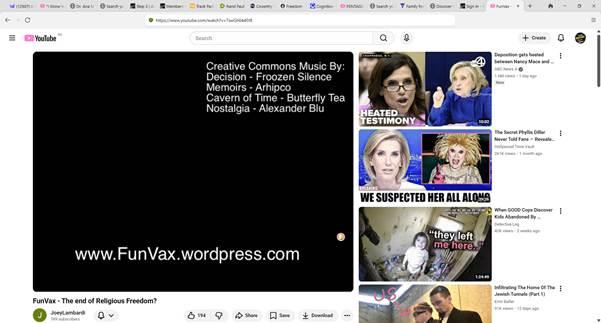
24,951 views Apr 4, 2011
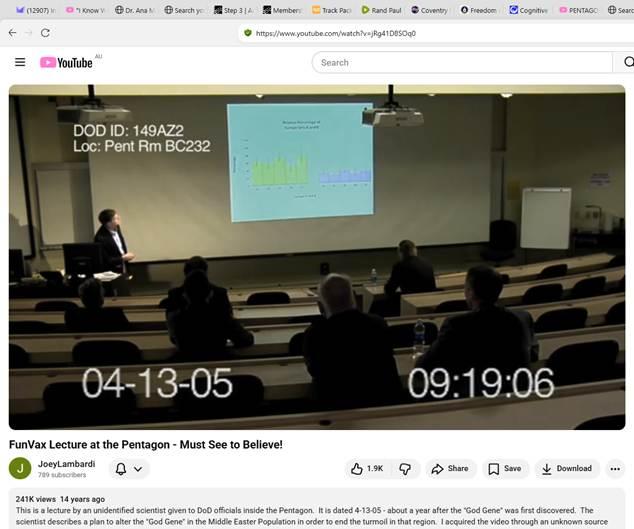
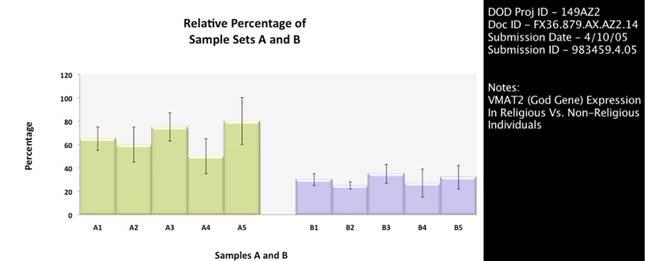
FunVax is a Government made viral vaccine that “cures” religious fundamentalism. It inhibits VMAT2 the so called “God Gene” which causes people to be prone to have spiritual experiences.
Although FunVax has brought stability to several countries in the Middle East and is currently responsible for the pro-democracy rallies through out the Middle East we believe that it is a dangerous precedent for the future.
We also worry about FunVax spreading to Western Countries and disrupting the belief system in the US and Europe.
Joey Lambardi originally leaked this information and is planning on making all his evidence available to the public using our website at …
- Joey Lambardi U-Tube: UCdpplXp3nh3a4h0yzemUlhQ
FunVAX DOD presentation Clip Original:
THE STORY & RELEASE OF DATA RE: FUNVAX – RE: JOEY LAMBARDI

24,951 views Apr 4, 2011
FunVax is a Government made viral vaccine that “cures” religious fundamentalism. It inhibits VMAT2 the so called “God Gene” which causes people to be prone to have spiritual experiences.
Although FunVax has brought stability to several countries in the Middle East and is currently responsible for the pro-democracy rallies through out the Middle East we believe that it is a dangerous precedent for the future.
We also worry about FunVax spreading to Western Countries and disrupting the belief system in the US and Europe. Joey Lambardi originally leaked this information and is planning on making all his evidence available to the public using our website at …

Joey Lambardi
U-Tube: UCdpplXp3nh3a4h0yzemUlhQ
https://stopfunvaxnow.blogspot.com
https://www.blogger.com/profile/04912448773532948442

https://patents.google.com/patent/US11026931B2/en

@TheTruthAustralia
Read more: FunVaxHome › All Posts › Commentary on The Video: Fundamentalist Vaccine Penatgon Using Vaccines to Alter Human Behavior VMAT2 Gene – Followed by, Change in Human Social Behavior in Response to a Common Vaccine Abstract , & Article On VMAT2
Commentary on The Video: Fundamentalist Vaccine Penatgon Using Vaccines to Alter Human Behavior VMAT2 Gene – Followed by, Change in Human Social Behavior in Response to a Common Vaccine Abstract , & Article On VMAT2
By Ralph Turchiano on August 8, 2012 • ( 1 )
There is currently no way to confirm the data in this Video……. Chances are without any confirming data, it will be deemed a fake… This video, and the Vaccine Data has been circulating close to two years now. If it is a hoax, I will have to say it is pretty elaborate. Keep in mind they are working on a whole slew of vaccines for addictions. Effecting everythng from Endorphins, Dopamine, and serotonin. So behavior modification in a syringe is already a reality.
I first lead with the video and then an actual abstract on the subject.
Link To FunVax Interview
Ann Epidemiol. 2010 Oct;20(10):729-33.
Change in human social behavior in response to a common vaccine.
Reiber C, Shattuck EC, Fiore S, Alperin P, Davis V, Moore J.
Source
Graduate Program in Biomedical Anthropology, Department of Anthropology, Binghamton University (SUNY), Vestal, NY, USA. creiber@binghamton.edu
Abstract
PURPOSE:
The purpose of this study was to test the hypothesis that exposure to a directly transmitted human pathogen-flu virus-increases human social behavior presymptomatically. This hypothesis is grounded in empirical evidence that animals infected with pathogens rarely behave like uninfected animals, and in evolutionary theory as applied to infectious disease. Such behavioral changes have the potential to increase parasite transmission and/or host solicitation of care.
METHODS:
We carried out a prospective, longitudinal study that followed participants across a known point-source exposure to a form of influenza virus (immunizations), and compared social behavior before and after exposure using each participant as his/her own control.
RESULTS:
Human social behavior does, indeed, change with exposure. Compared to the 48 hours pre-exposure, participants interacted with significantly more people, and in significantly larger groups, during the 48 hours immediately post-exposure.
CONCLUSIONS:
These results show that there is an immediate active behavioral response to infection before the expected onset of symptoms or sickness behavior. Although the adaptive significance of this finding awaits further investigation, we anticipate it will advance ecological and evolutionary understanding of human-pathogen interactions, and will have implications for infectious disease epidemiology and prevention.
Copyright © 2010 Elsevier Inc. All rights reserved.
PMID:
20816312
[PubMed – indexed for MEDLINE]
Article on The VMAT2 Gene
Is the Capacity for Spirituality Determined by Brain Chemistry?Geneticist’s Book ‘The God Gene’ Is Disputed by Scientists, Embraced by Some Religious LeadersBy Bill Broadway Washington Post Staff Writer Saturday, November 13, 2004; Page B09
Dean H. Hamer has received much criticism for his new book, “The God Gene: How Faith is Hardwired Into Our Genes.”
Evangelicals reject the idea that faith might be reduced to chemical reactions in the brain. Humanists refuse to accept that religion is inherent in people’s makeup. And some scientists have criticized Hamer’s methodology and what they believe is a futile effort to find empirical proof of religious experience.
But Hamer, a behavioral geneticist at the National Institutes of Health and the National Cancer Institute, stands by research he says shows that spirituality — the feeling of transcendence — is part of our nature. And he believes that a universal penchant for spiritual fulfillment explains the growing popularity of nontraditional religion in this country and the presence of hundreds of religions throughout the world.
“We think that all human beings have an innate capacity for spirituality and that that desire to reach out beyond oneself, which is at the heart of spirituality, is part of the human makeup,” Hamer, 53, said in an interview at his Northwest Washington townhouse. “The research suggests some people have a bit more of that capacity than others, but it’s present to some degree in everybody.”
“The God Gene,” published in September and featured in Time magazine’s Oct. 25 cover story, is a sequel to “Living With Our Genes,” a 1998 book in which Hamer examined the genetic basis of such behavioral traits as anxiety, thrill-seeking and homosexuality. Hamer said his previous research, most notably his work on anxiety, encouraged him to look into the genetic propensity for religious belief.
What he found was that the brain chemicals associated with anxiety and other emotions, including joy and sadness, appeared to be in play in the deep meditative states of Zen practitioners and the prayerful repose of Roman Catholic nuns — not to mention the mystical trances brought on by users of peyote and other mind-altering drugs.
At least one gene, which goes by the name VMAT2, controls the flow to the brain of chemicals that play a key role in emotions and consciousness. This is the “God gene” of the book’s title, and Hamer acknowledges that it’s a misnomer. There probably are dozens or hundreds more genes, yet to be identified, involved in the universal propensity for transcendence, he said.
Furthermore, the scientific linkage of a gene with chemicals that affect happiness or sadness does not answer the question “Is there a God?” but rather “Why do we believe in God?”
“Our genes can predispose us to believe. But they don’t tell us what to believe in,” said Hamer, whose current research involves HIV/AIDS.
Critics in the scientific community argue that Hamer’s conclusions are simplistic and speculative, relying too much on anecdotal evidence and too little on testing of the VMAT2 gene to determine other possible connections to behavior. They also wonder whether his findings can be replicated, a necessity in scientific research.
“The field of behavioral genetics is littered with failed links between particular genes and personality traits,” said Carl Zimmer, a science author who reviewed the book in last month’s Scientific American.
Some religious leaders welcome the idea of a genetic basis for spirituality and say it validates long-held teachings.
“I wondered for a long time why [the concept of] a genetic implant hasn’t been put in print or been part of a conversation in the broad theological community,” said Bishop John B. Chane of the Episcopal Diocese of Washington. Chane associates Hamer’s findings with the Apostle Paul’s statement, “There are a variety of gifts but the same spirit.”
Chane also welcomes the notion of genetic universality as a new, deeper way of promoting understanding among people of different faiths — particularly Judaism, Christianity and Islam, all of which trace their beginnings to the same father, Abraham.
Others, such as Bishop Adam J. Richardson Jr. of the Washington area district of the African Methodist Episcopal Church, said that it’s hard to quantify matters of the spirit and that attributing behavior to one’s genetic makeup “can be a frightful thing.” By analogy, saying that people are predisposed to be spiritual also means that criminals are genetically wired to be criminals and have no hope of rehabilitation.
“Why not just put them in prison and throw away the key?” he asked.
Richardson said there’s also the danger of people losing hope, of believing their genetic makeup limits their development and personal growth. “In my own system, we do have choice. We always have choice,” the bishop said.
Hamer said his own religious development began in a Congregationalist church, which he abandoned when he became a scientist. But he discovered new spiritual meaning when he began researching this book — through, in part, Zen meditative practices he learned at a Zen center near Kyoto, Japan.
He likens spirituality to the capacity for language: Humans are genetically predisposed to have it, but the language people speak and the religion they practice are learned rather than inherited characteristics.
People are designed to communicate through language, but they speak English, French or Chinese because of the part of the world they grew up in. Similarly, genetic makeup urges people to believe in a Creator or find spiritual fulfillment, but culture, history and environment determine whether one is a Christian, Hindu, Jew, Buddhist or Muslim.
Although people can change or abandon that religious affiliation, they cannot rid themselves of the genetic propensity to be spiritual. But people can build on and develop that innate spirituality through meditation, prayer and creative arts such as music and painting. These practices can be done inside or outside organized religion, he said.
Hamer said he has received numerous comments from people who say that the dichotomy of spirituality and religion makes sense. “I always knew this, that I was inclined to be spiritual, even though I’ve always had a problem with religion,” they tell him.
“I see more and more people doing things like yoga,” Hamer said. “They do it initially because they want to get more flexible and look good and feel great. Then they find that once they spend some time sitting on a mat, doing nothing but concentrating on their body and clearing their mind of everything else, they say, ‘That feels kind of good.’ ”
Such feelings can lead to an intuitive sense of God’s presence, Hamer said. “We do not know God; we feel Him.”
Organized religion can become so codified, so caught up with learned rituals, that the focus on spirituality gets lost, Hamer said. The resurgence of Pentecostalism and other emotion-based religions is one sign of the staying power of inherited spirituality, he said.
Megachurches, too, are part of this phenomenon and have widespread appeal because of the emotional aspects of worship, he said. “They have lots of music, video screens, the whole multimedia thing going on,” he said. “They’re tapping into that [innate spirituality]. It’s fun and allows people to get into that spiritual frame of mind.”
Hamer said more research has to be done to determine whether there is a genetic basis for other religion-related phenomena, including the existence of archetypes, the similarity of creation stories in various religions and the common characteristics of fundamentalism in Christianity, Judaism and Islam.
Also left hanging is why women score much higher than men on transcendence tests.
“I’m not completely sure about that,” Hamer said. “I just know that it’s true. Women are more attuned to their emotional connections, and that’s at the heart of spirituality.”
_____________________________
https://funvax.wordpress.com/2011/10/03/funvax-is-only-one-of-many-check-out-this-population-control-vaccine/
https://patents.google.com/patent/US11026931B2/en
https://pubmed.ncbi.nlm.nih.gov/20816312
Ann Epidemiol
. 2010 Oct;20(10):729-33.
doi: 10.1016/j.annepidem.2010.06.014.
Change in human social behavior in response to a common vaccine
Chris Reiber 1, Eric C Shattuck, Sean Fiore, Pauline Alperin, Vanessa Davis, Janice Moore
Affiliations Expand
- PMID: 20816312
Abstract
Purpose: The purpose of this study was to test the hypothesis that exposure to a directly transmitted human pathogen-flu virus-increases human social behavior presymptomatically. This hypothesis is grounded in empirical evidence that animals infected with pathogens rarely behave like uninfected animals, and in evolutionary theory as applied to infectious disease. Such behavioral changes have the potential to increase parasite transmission and/or host solicitation of care.
Methods: We carried out a prospective, longitudinal study that followed participants across a known point-source exposure to a form of influenza virus (immunizations), and compared social behavior before and after exposure using each participant as his/her own control.
Results: Human social behavior does, indeed, change with exposure. Compared to the 48 hours pre-exposure, participants interacted with significantly more people, and in significantly larger groups, during the 48 hours immediately post-exposure.
Conclusions: These results show that there is an immediate active behavioral response to infection before the expected onset of symptoms or sickness behavior. Although the adaptive significance of this finding awaits further investigation, we anticipate it will advance ecological and evolutionary understanding of human-pathogen interactions, and will have implications for infectious disease epidemiology and prevention.
Copyright © 2010 Elsevier Inc. All rights reserved.
Similar articles
Katzenstein TL.APMIS Suppl. 2003;(114):1-37.PMID: 14626050Review.
Zhang SX, Cheng JQ, Ma HW, He JF, Cheng XW, Jiang LJ, Mou J, Wu CL, Lv X, Zhang SH, Zhang YD, Wu YS, Wang X.Zhonghua Liu Xing Bing Xue Za Zhi. 2008 Mar;29(3):248-52.PMID: 18788523Chinese.
Englund JA, Walter EB, Gbadebo A, Monto AS, Zhu Y, Neuzil KM.Pediatrics. 2006 Sep;118(3):e579-85. doi: 10.1542/peds.2006-0201.PMID: 16950949Clinical Trial.
Erickson TM, Newman MG, Pincus AL.J Pers Soc Psychol. 2009 Nov;97(5):893-912. doi: 10.1037/a0016515.PMID: 19857009
Washio M, Oura A, Mori M.Vaccine. 2008 Nov 25;26(50):6470-2. doi: 10.1016/j.vaccine.2008.06.037. Epub 2008 Jun 23.PMID: 18573289Review.
Cited by
Canas LS, Österdahl MF, Deng J, Hu C, Selvachandran S, Polidori L, May A, Molteni E, Murray B, Chen L, Kerfoot E, Klaser K, Antonelli M, Hammers A, Spector T, Ourselin S, Steves C, Sudre CH, Modat M, Duncan EL.EClinicalMedicine. 2021 Dec;42:101212. doi: 10.1016/j.eclinm.2021.101212. Epub 2021 Dec 1.PMID: 34873584Free PMC article.
Hossain ME, Islam MS, Rana MJ, Amin MR, Rokonuzzaman M, Chakrobortty S, Saha SM.Hum Vaccin Immunother. 2022 Dec 31;18(1):2022920. doi: 10.1080/21645515.2021.2022920. Epub 2022 Jan 21.PMID: 35061569Free PMC article.
Michie S, Potts HWW, West R, Amlȏt R, Smith LE, Fear NT, Rubin GJ.Public Health. 2021 Sep;198:106-113. doi: 10.1016/j.puhe.2021.07.002. Epub 2021 Jul 17.PMID: 34411993Free PMC article.
Seitz BM, Aktipis A, Buss DM, Alcock J, Bloom P, Gelfand M, Harris S, Lieberman D, Horowitz BN, Pinker S, Wilson DS, Haselton MG.Proc Natl Acad Sci U S A. 2020 Nov 10;117(45):27767-27776. doi: 10.1073/pnas.2009787117. Epub 2020 Oct 22.PMID: 33093198Free PMC article.
Vilches TN, Jaberi-Douraki M, Moghadas SM.Epidemiol Infect. 2019 Jan;147:e75. doi: 10.1017/S0950268818003540.PMID: 30869007Free PMC article.